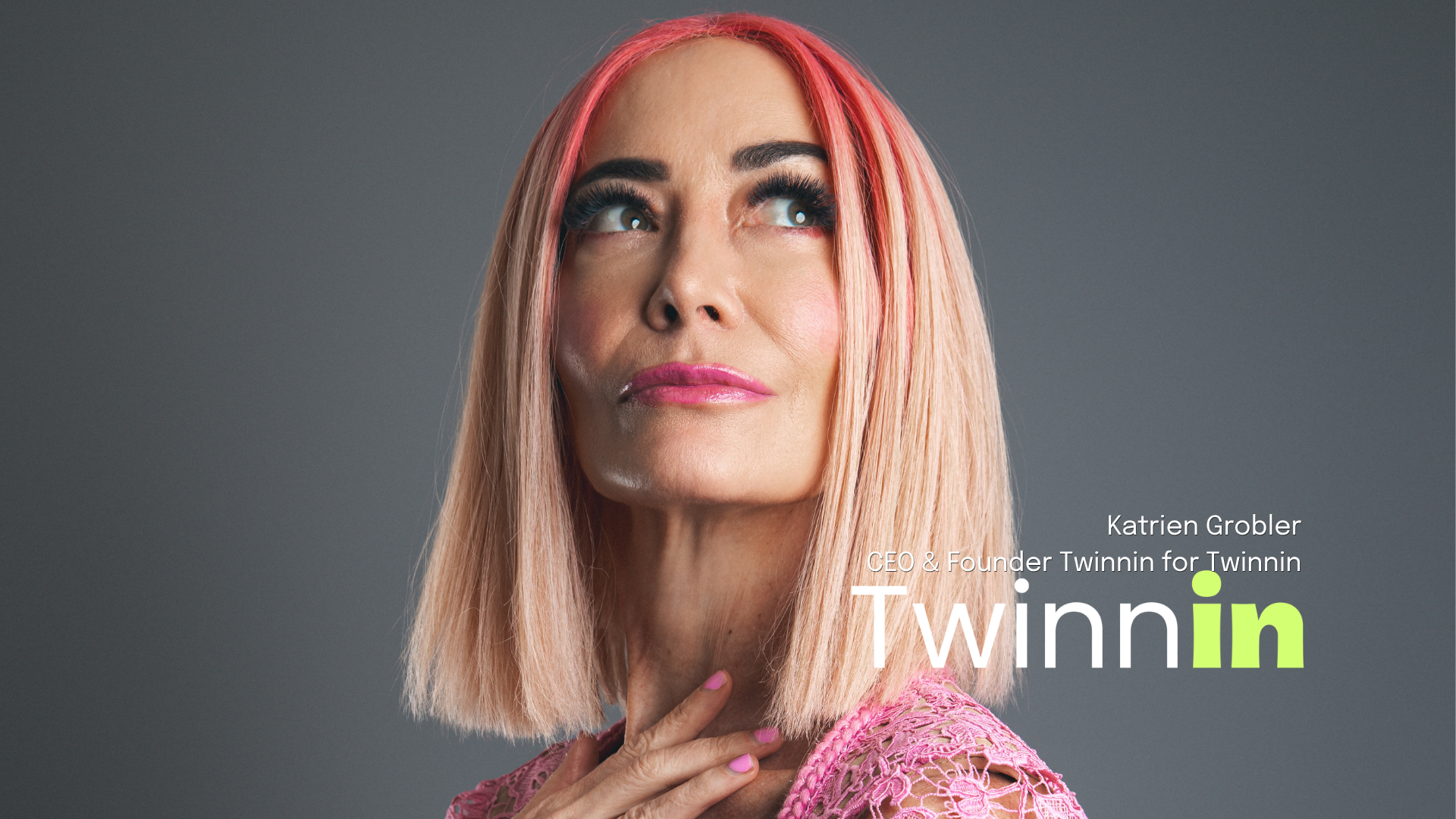
Why I started Twinnin.
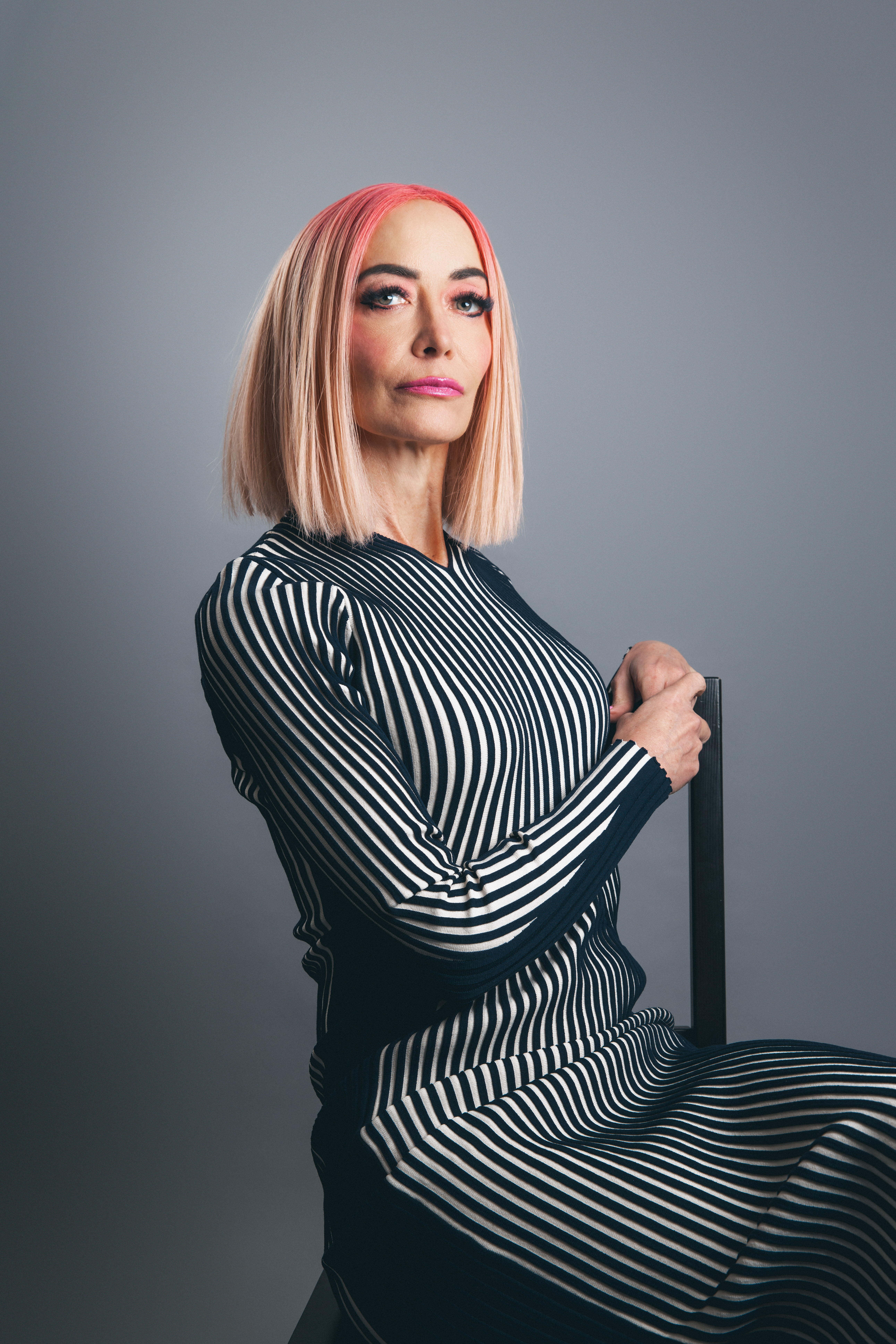
I spent 20 years in global brand leadership — Unilever, Vodafone — watching the marketing industry get faster, cheaper, and more synthetic. By 2024 the shift had become impossible to ignore: AI-generated faces were appearing in campaigns I worked on, in storyboards I reviewed, in social cuts approved without anyone in the room knowing whose face they were actually using.
I started asking the obvious question. Whose face is that? Did they consent? Did they get paid? The honest answer, almost always, was: nobody knows, probably not, and definitely not.
That's not a technology problem. The technology is here, and it's not going away. It's a market design problem. There was no registry. No standard contract. No payment rails. No way for a working actor, a model, a presenter, or any ordinary human to say "yes, you can use my face for this — and here's what I want in return."
— Katrien Grobler, Deadline · April 2026
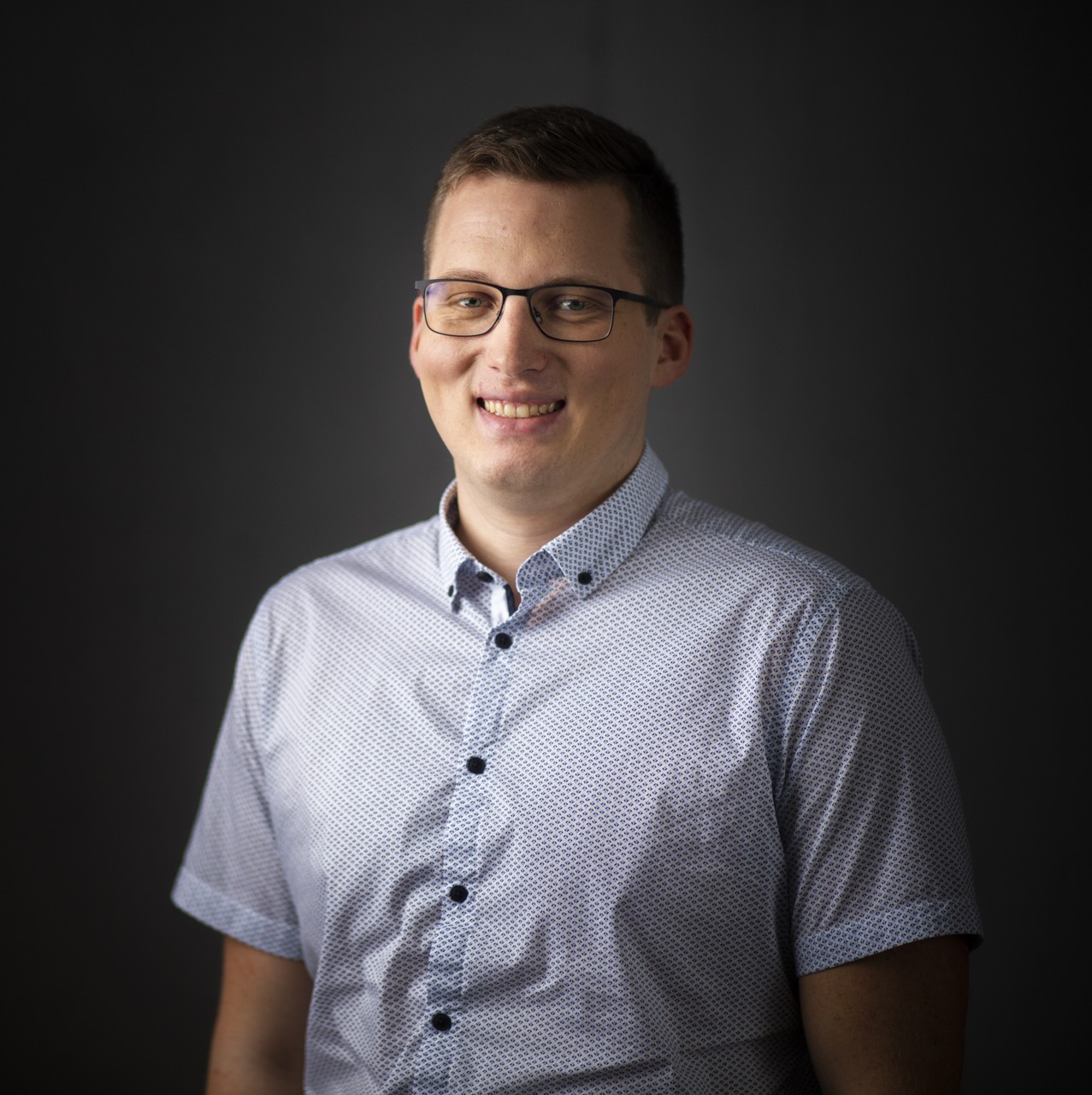
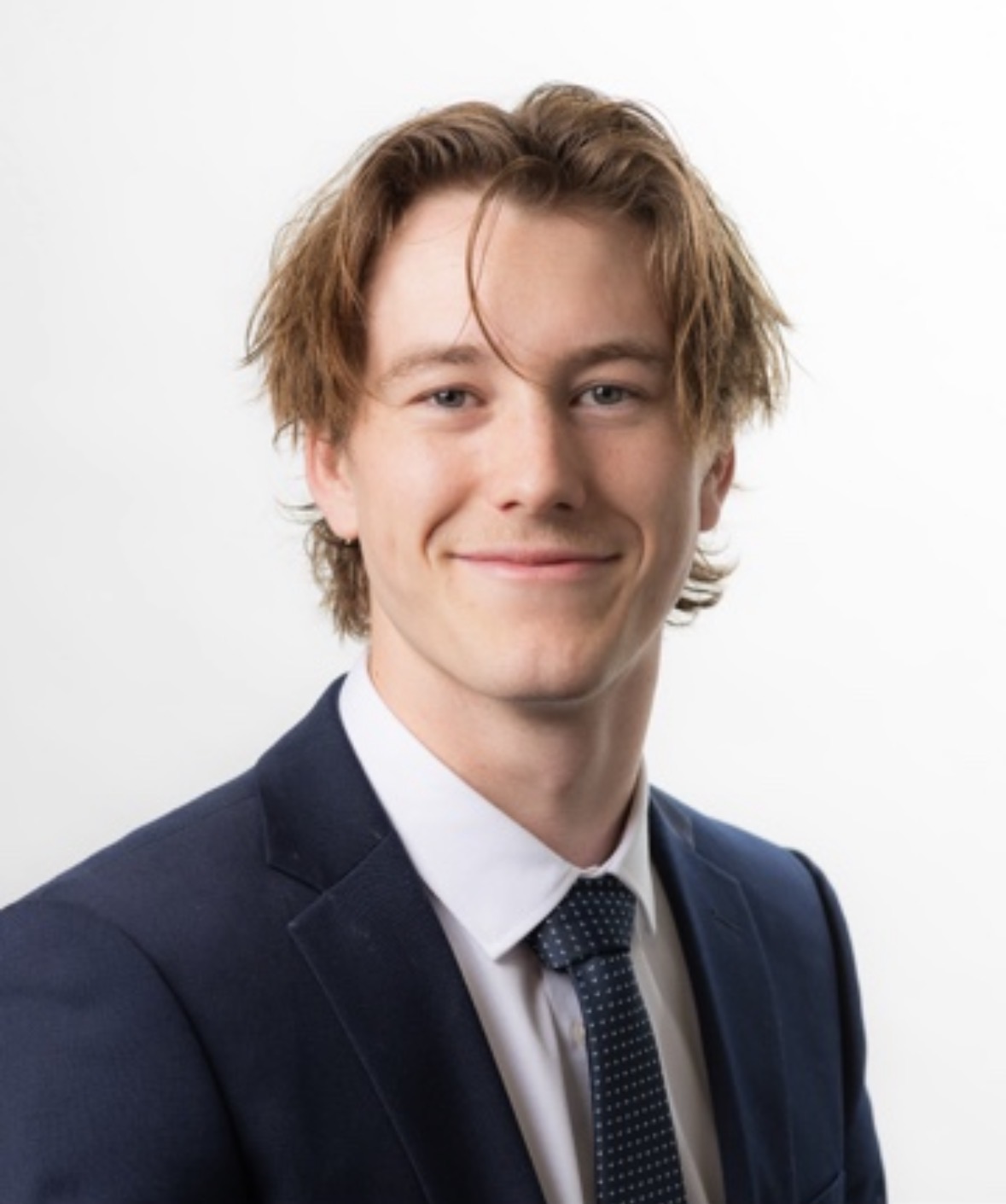
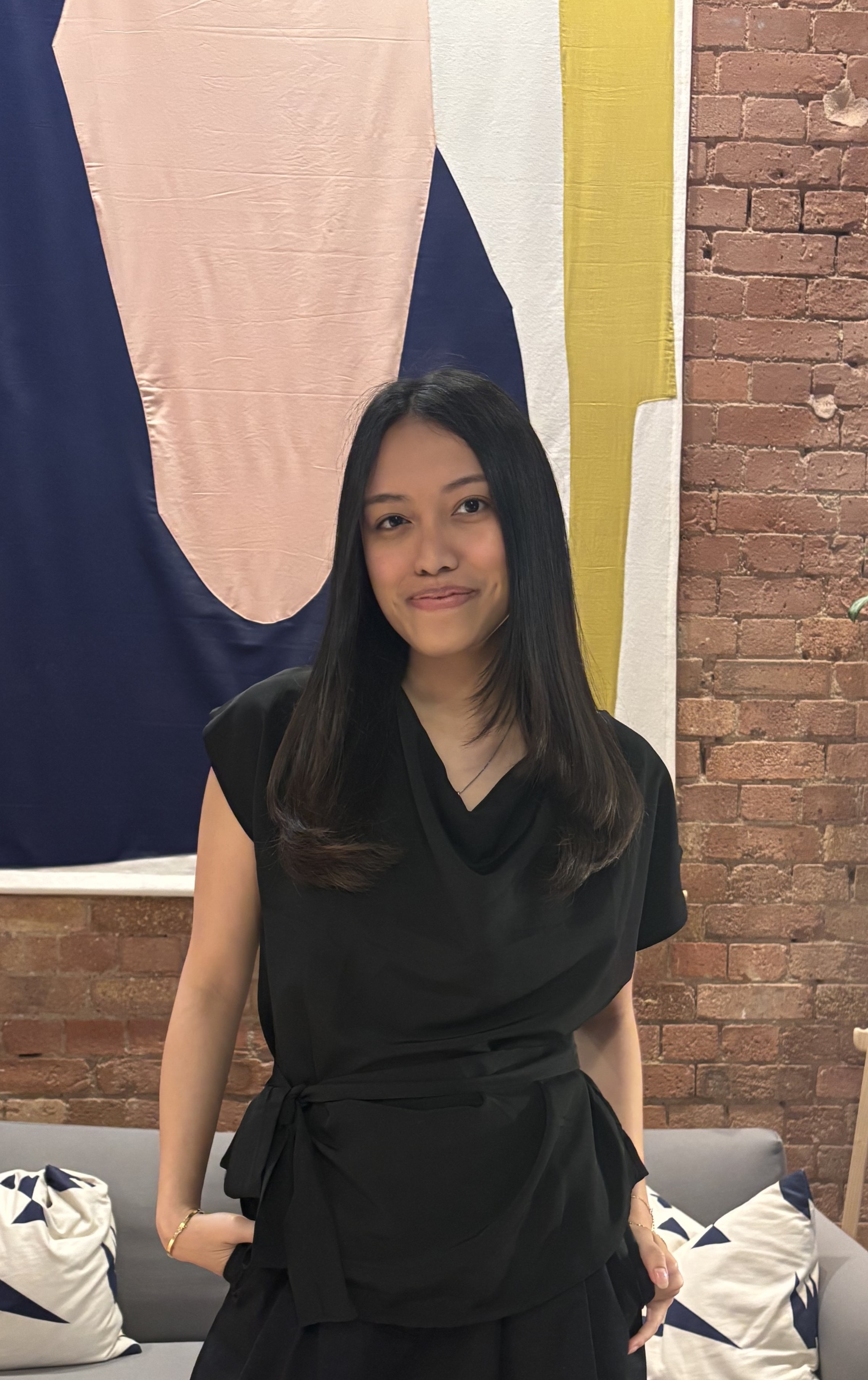
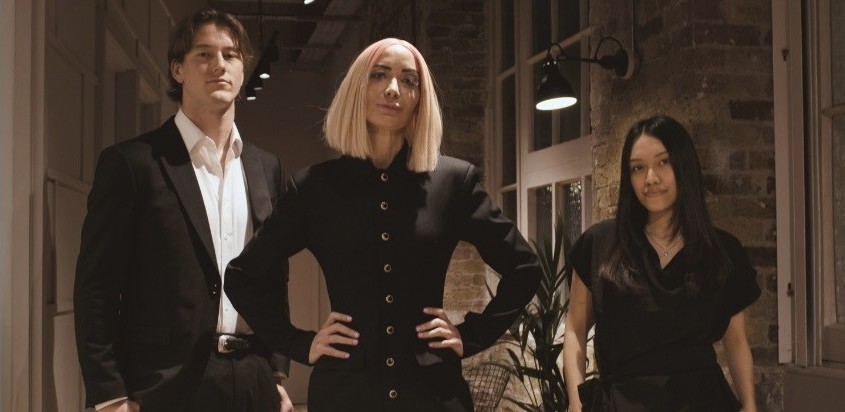
Twinnin started in 2025 as a private conversation between three of us — me, Lan, and William — about what the consent infrastructure for AI-generated likeness should actually look like. By early 2026 we had verified twins, working enterprise pilots, and a seed round closed with Google, NVIDIA, and SFC Capital behind us.
We're early. The work is real. The bet is that the next decade of AI deployment depends on getting this layer right — and we're building it the way it should have been built from the start.